The Death of the Concierge
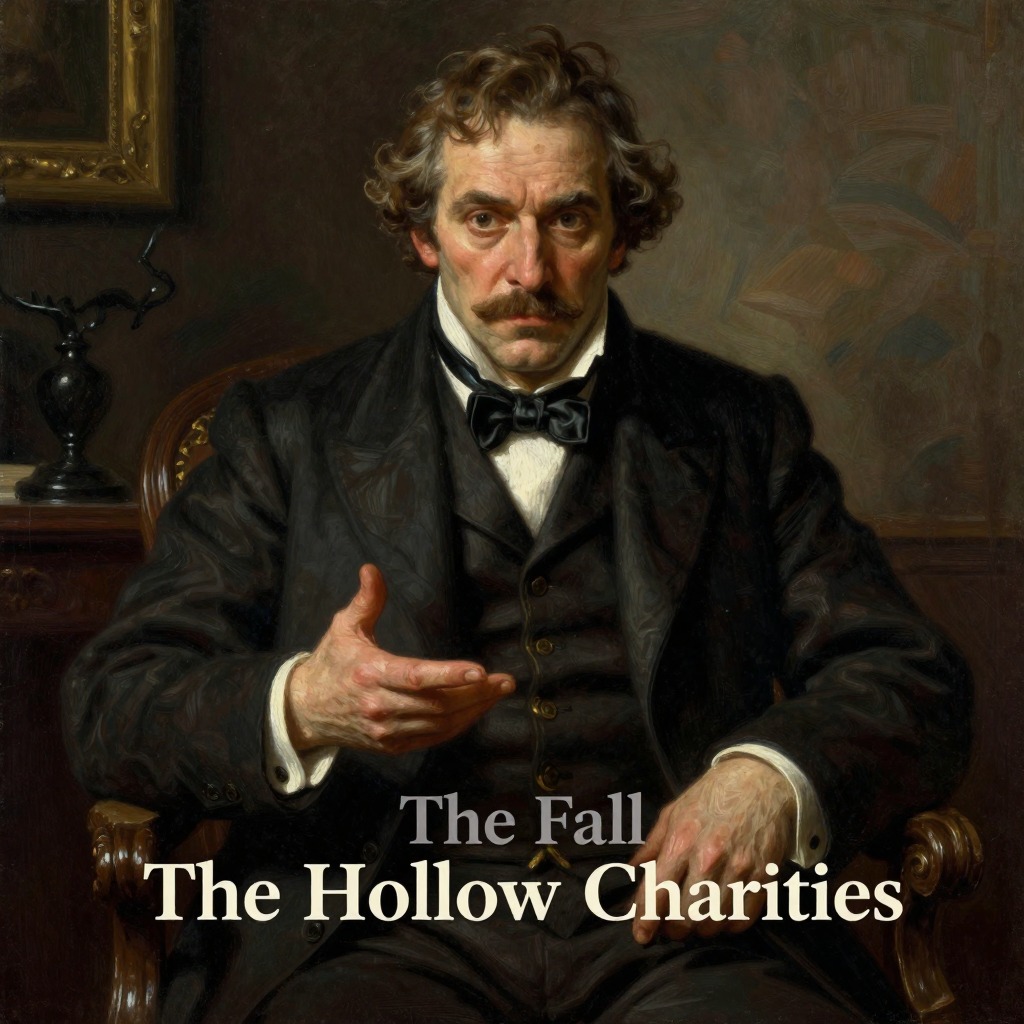
The Death of the Concierge is a minor but revealing event in Jean-Baptiste Clamence's narrative, in which he attends the funeral of his own concierge—a man he describes as 'malice incarnate'—and afterward visits the widow, an act he himself cannot fully explain, exposing the hollow, self-serving nature of his former philanthropy.
The Concierge and Clamence's Discomfort
The concierge was, in Clamence's recollection, 'really ill favored, malice incarnate, a monster of insignificance and rancor, who would have discouraged a Franciscan.' Clamence had given up speaking to him, yet the man's mere existence compromised his customary contentedness. The concierge died, and Clamence went to his funeral—a decision he presents as a puzzle: 'Can you tell me why?'
The Funeral and the Widow
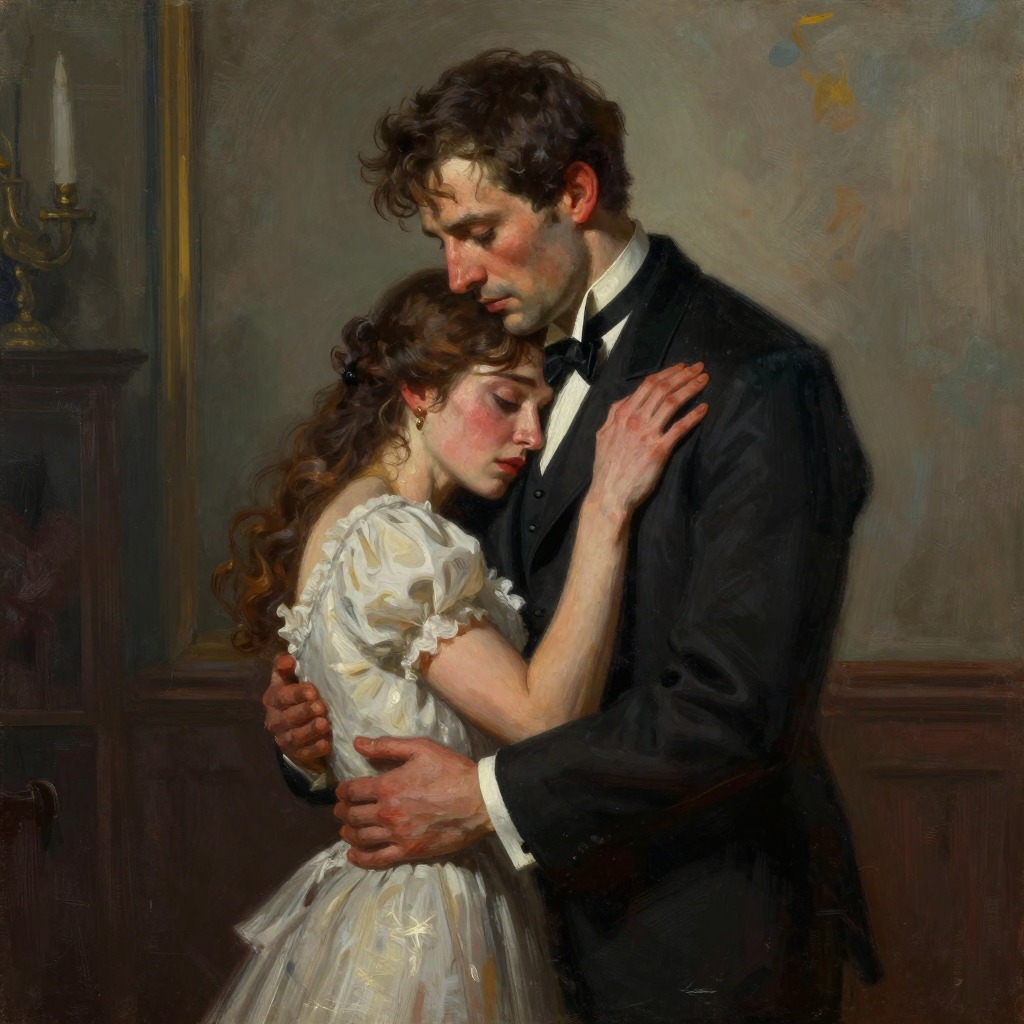
The two days preceding the ceremony were full of interest for the building's tenants. The concierge's wife lay ill in the single room, and near her the coffin had been set on sawhorses. Everyone had to get his mail himself, opening the door, saying 'Bonjour, madame,' listening to her praise of the dear departed as she pointed to him, and taking their mail. The whole building passed through her room, which stank of carbolic acid, and the tenants came themselves, not sending their servants, to take advantage of the unexpected attraction. The servants did too, but on the sly. On the day of the funeral, the coffin was too big for the door. The wife said from her bed with a surprise at once delighted and grieved, 'Oh my dearie, how big he was!' The funeral director replied, 'Don't worry, madame, we'll get him through edgewise, and upright.' He was got through upright and then laid down again. Clamence was the only one—along with a former cabaret doorman who, he gathered, used to drink his Pernod every evening with the departed—to go as far as the cemetery and strew flowers on a coffin of astounding luxury. Then he paid a visit to the concierge's wife to receive her thanks, expressed as by a great tragedienne.
The Apéritif of Tragedy
Clamence interprets the entire episode as a manifestation of a universal human need for tragedy. He observes that when a death takes place in a building, people who were asleep in their little routine suddenly awake, bestir themselves, get the details, and commiserate. 'A newly dead man and the show begins at last. They need tragedy, don't you know; it's their little transcendence, their apéritif.' He admits that he himself had no better reason for attending than this appetite for emotional stimulation. The concierge's wife, who had gone to such an outlay for the crucifix, heavy oak, and silver handles in order to get the most out of her emotion, shacked up a month later with an overdressed yokel proud of his singing voice. He used to beat her; frightful screams could be heard, and immediately afterward he would open the window and give forth with his favorite song: 'Women, how pretty you are!' The neighbors would say, 'All the same!' Clamence asks, 'All the same what? I ask you. All right, appearances were against the baritone, and against the concierge's wife, too. But nothing proves that they were not in love. And nothing proves either that she did not love her husband.' When the yokel took flight, she resumed her praises of the departed.
Significance: The Hollow Performance of Virtue
The event serves as a microcosm of Clamence's former life of performative goodness. He had loved to help blind people cross streets, give directions, lend a hand to heavy pushcarts, push a stranded car, buy a paper from the Salvation Army lass or flowers from the old peddler, though he knew she stole them from the Montparnasse Cemetery. He liked to give alms, exulting when a beggar approached. His courtesy was famous: giving up his seat in the bus or subway, picking up an object an old lady had dropped, forfeiting his taxi to someone in a greater hurry. He gave a great deal in public and in private, deriving constant pleasures from this—among them a sort of melancholy at the thought of the sterility of those gifts and the probable ingratitude that would follow. The concierge's funeral, like these other acts, was not genuine charity but a performance for an audience, a way of feeding his own self-regard. He later admits that he used to spit daily in the face of all the blind, courteously and with a solidarity charged with emotion. The death of the concierge, which he attended for no reason except the 'apéritif,' reveals that his entire philanthropic persona was a mask for a deeper scorn and a hunger for the drama that makes one feel alive.